Pokémon Pinball was released in three stages: in Japan on April 14, 1999, in North America on June 28, 1999, and then in Europe on October 6, 2000. Between these versions, Nintendo made more tweaks than you might expect, and the European version, the one we got in France, is the most polished of the three. Here are all the known differences, from the title screen to the Rumble Pak settings.
What changes on screen
| Element | Japan | North America | Europe (France) |
|---|---|---|---|
| Pikachu on the title screen | Not smiling | Smiling | Smiling |
| Pokédex label in the menu | – | “Poké Dex” | Corrected to “POKéDEX” |
| Letters on the side lanes | HOLE | CAVE | CAVE |
| Text shown during a capture | GET | CATCH! | CATCH! |
| Legal credits screen | “Creatures”, “HAL Laboratory” | “Creatures Inc.”, “HAL Laboratory, Inc.” | Same, with an updated release date |
| Super Game Boy border | No “TM” symbol | Standard border | Large bright blue “Pokémon Pinball” title |
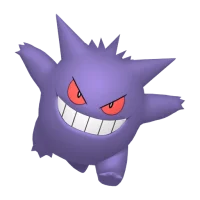
| Jynx’s appearance | Black skin | Black skin | Purple skin (portrait and capture sprite) |
The case of Jynx deserves a mention: the European version, released later, changed the Pokémon’s color to avoid the controversy that arose in the United States over its appearance. The same change was later applied to the other games and to the animated series.
A more discreet detail: in the European version, the letter M in the word RUMBLE shown on the rumble screen is slightly wider. Only attentive collectors will notice it.
What changes in the menus and gameplay
Language selection
The European version packs several languages onto the same cartridge. On first launch, a menu asks you to choose the game’s language; this choice can be changed later in the Options. The Japanese and American versions have only one language.
Rumble setting
The rumble feature built into the cartridge (see the rumble feature and the cartridge) is adjusted in the Options menu in all versions. The Japanese and American versions offer only two choices, on or off. The European version adds an intensity level: off, light or strong. It is also the only one that lets you change this setting in the middle of a game, from the pause menu.
Button configuration
The Japanese and American versions offer a default configuration, but each command can be remapped individually: you can assign up to two buttons to the same action, or conversely give several actions to the same button, for example both flippers on a single button. The European version replaces this system with three preset configurations, with no button-by-button setup.
Sound test
The Options menu contains a sound effects test. The Japanese version has 77; the American and European versions add one, for a total of 78.
Pokémon names and the Pokédex
The Japanese version displays its in-game messages in English, but with the Japanese Pokémon names written in Latin letters: for example, you read “You got a Poppo” after catching Pidgey. The Pokédex, for its part, writes the names in katakana.
Another curiosity: the Japanese version uses the Pokédex descriptions from Pokémon Yellow, whereas the American version, released before Yellow outside Japan, uses those from Red and Blue. The game’s descriptions reproduce those of the main games word for word, give or take a period.
Mistakes that localization did not fix
- The upgraded Balls bear an engraved letter that was not adapted: the Great Ball shows an S (for Super) and the Ultra Ball an H, initials taken from the Japanese names. In French, the coincidence makes these letters perfectly logical.
- Two locations have an incorrect name in the English version: “Rock Mountain” actually refers to Rock Tunnel, and “Fuchia City” is missing an s.
These details are explained location by location on the map and locations page. For more trivia, see curiosities and errors.