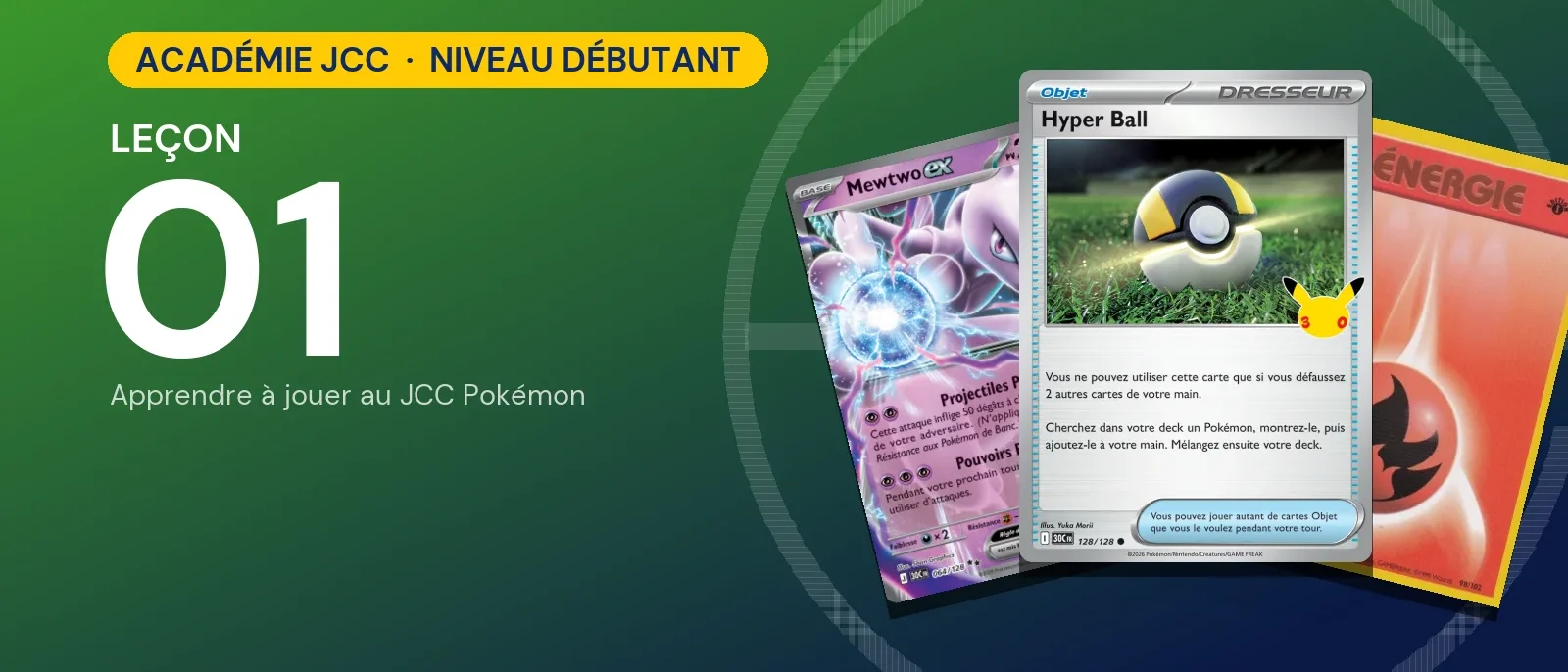
Born in Japan in 1996, the Pokémon Trading Card Game turns 30 in 2026, and its principle hasn’t changed: two Trainers face off, each with a 60-card deck, and the first to Knock Out enough of the opponent’s Pokémon wins the game. Easy to learn, rich to master: that’s what has made it a success for three decades.
This first lesson lays the foundations. You don’t need to know a single card to follow it.
The equipment: what you need
A game is played by two people at a table. Each player brings:
- A deck of exactly 60 cards. Not 59, not 61: that’s the basic rule of every deck.
- A coin for coin flips. Many attacks depend on it, and it also decides who goes first.
- Damage counters. One counter is worth 10 damage. Tokens, beads or dice work just fine.
- Two special markers for the Poisoned and Burned Special Conditions (we’ll come back to them in lesson 5).
The playmat and card sleeves are optional but handy: the first helps you find your bearings, the second protects your cards and make shuffling easier.
The three card families
Every card in the TCG belongs to one of these three families. Recognizing them at a glance means you already know half of how to play.
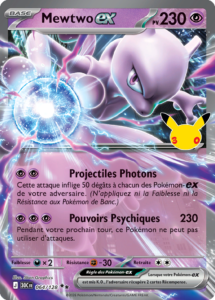

Pokémon cards: your fighters
These are the cards that attack and take the hits. Each Pokémon has hit points (HP), a type and one or more attacks. There are Basic Pokémon, which you put directly into play, and Evolution Pokémon (Stage 1 and Stage 2), which are placed on top of their previous form to evolve it.
Energy cards: the fuel
To attack, a Pokémon needs Energy attached to it. Each attack shows its cost in Energy symbols. You can attach only one Energy from your hand per turn: this is one of the central constraints of the game, forcing you to prepare your attacks in advance.
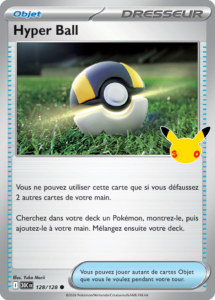
Trainer cards: your tools
Drawing, searching your deck for a card, healing, switching your Active Pokémon, putting down a field that changes the game… Trainer cards do everything else. They are divided into Items, Supporters, Stadiums and Pokémon Tools, each with its own rules (that’s the subject of lesson 4).
The playmat: where each card goes
Each player has the same setup in front of them. Here are the zones to know:
- The Active Spot holds a single Pokémon: the one that attacks and takes your opponent’s attacks.
- The Bench can hold up to 5 Pokémon in reserve. They can’t attack, but you can already attach Energy to them and evolve them.
- The deck is placed face down. You draw a card from it at the start of each turn.
- The discard pile, face up, receives used cards and Knocked Out Pokémon.
- The Prize cards: 6 cards set aside face down at the start of the game.
- The Stadium zone, in the middle, is shared: only one Stadium can be in play, for both players.
Finally, your hand stays secret. Your opponent can only know how many cards it contains.
How do you win a game?
There are three win conditions. Remember them well, they guide every decision in the game:
- Take your last Prize card. Each time you Knock Out an opposing Pokémon, you take a Prize card (or more, for powerful Pokémon). After 6, you win.
- Leave your opponent with no Pokémon in play. If their Active Pokémon is Knocked Out and they have no one on their Bench to replace it, they lose.
- Empty your opponent’s deck. A player who can’t draw at the start of their turn loses the game.
Where to start in practice?
- With a ready-to-play deck: it’s the best way to discover the rules without worrying about building a deck.
- With the Pokémon TCG Live app, free on mobile and computer: its tutorial applies the rules for you, ideal for understanding how a game unfolds.
- In a store: many shops run Pokémon Leagues, where people will gladly teach you to play.
Be careful not to confuse it with Pokémon TCG Pocket, the mobile game: it borrows the world of the cards, but with simplified rules (20-card decks, no Energy cards in the deck). The Academy covers the “classic” TCG, the one with physical cards and official tournaments.
Next step: setting up a game and playing through your first turn.
Testez-vous
How many cards does a Pokémon TCG deck contain?
Exactly 60 cards, no more, no less.
How many Pokémon can you have on your Bench?
5 Pokémon at most, in addition to the Active Pokémon.
What are the three ways to win?
Take your last Prize card, Knock Out the opponent's last Pokémon in play, or have the opponent unable to draw at the start of their turn.
How many Energy cards can you attach per turn?
Just one per turn, from your hand.