
It only shows up at the top of the Pokémon screen, and yet it is the resource that limits Pokémon GO Trainers the most. Stardust is used for everything: powering up, unlocking a move, trading, purifying. Here is where to earn the most, how to multiply your gains and, above all, how to avoid wasting it.
This guide complements our feature on Candy, Stardust, CP and IVs, which explains Pokémon progression. Here, we are only talking about Stardust.
What is Stardust used for?
Stardust is a currency shared by all your Pokémon, unlike Candy, which is specific to each family. It is used in four situations:
- Powering up a Pokémon: each power-up gains half a level and costs Stardust plus Candy (or XL Candy beyond level 40);
- Unlocking a second Charged Attack: from 10,000 to 100,000 Stardust depending on the species, along with Candy;
- Trading: only 100 for a regular trade, but much more for a special trade;
- Purifying a Shadow Pokémon: from 1,000 to 20,000 Stardust, with as many Candy as there are thousands of Stardust.
Powering up is by far the most expensive item, because its price rises every two levels. The first power-up costs 200 Stardust, while the one at level 39.5 costs 10,000. Taking a Pokémon from level 1 to level 40 comes to 270,000 Stardust, and pushing it from level 40 to level 50 costs another 250,000, with 296 XL Candy.
| Level range | Stardust per power-up | Candy per power-up |
|---|---|---|
| 1 to 10.5 | 200 to 1,000 | 1 |
| 11 to 20.5 | 1,300 to 2,500 | 2 |
| 21 to 30.5 | 3,000 to 5,000 | 3 to 4 |
| 31 to 39.5 | 6,000 to 10,000 | 6 to 15 |
| 40 to 49.5 | 10,000 to 15,000 | 10 to 20 XL Candy |
The best sources of Stardust
Almost every activity in the game earns some, but not in the same proportions. Here are the base amounts, before bonuses:
| Activity | Stardust |
|---|---|
| Catching a basic Pokémon | 100 (125 with favorable weather) |
| Catching a Stage 2 Pokémon | 300 |
| Catching a Stage 3 Pokémon | 500 |
| First catch of the day | 1,800 |
| Raid completed (even if the boss flees) | 1,000 |
| Team GO Rocket Grunt defeated | 500 |
| Team GO Rocket Leader defeated | 1,000 |
| Giovanni defeated | 5,000 |
| 2 km Egg | 400 to 800 |
| 5 or 7 km Egg | 800 to 1,600 |
| 10 km Egg | 1,600 to 3,200 |
| 12 km Egg | 3,200 to 6,400 |
| Berry given to a Gym Pokémon | 30 |
| Gift from a friend | 0 to 300 |
A few species give far more than average when caught.  Meowth gives 500 Stardust,
 Shellder 1,000,
 Cloyster 1,200, and
 Audino holds the record with 2,100 per catch. When one of them is featured during an event or a Spotlight Hour, it is a chance to fill up your stockpile.
Day to day, the most profitable sources remain raids (1,000 for every completed battle), battles against Team GO Rocket, and Egg hatches. Also remember the first-catch-of-the-day bonus, which grows even bigger on the seventh consecutive day: a single catch per day is enough to keep it.
Star Piece and event bonuses: multiplying your gains
The Star Piece increases all the Stardust you earn by 50% for 30 minutes. You can get them from Research, GO Battle League rewards and the shop. To make the most of it, activate it only when you are about to chain gains together:
- just before opening several Eggs that are ready to hatch;
- at the start of a series of raids or battles against Team GO Rocket;
- during a Spotlight Hour or a Community Day, when catches come one after another;
- combined with a Stardust event bonus (×2 or more), which stacks with it.
So keep an eye on the announcements: many events increase the Stardust you earn or reduce its cost. Our guide to Pokémon GO global events details how to get the most out of these weekends.
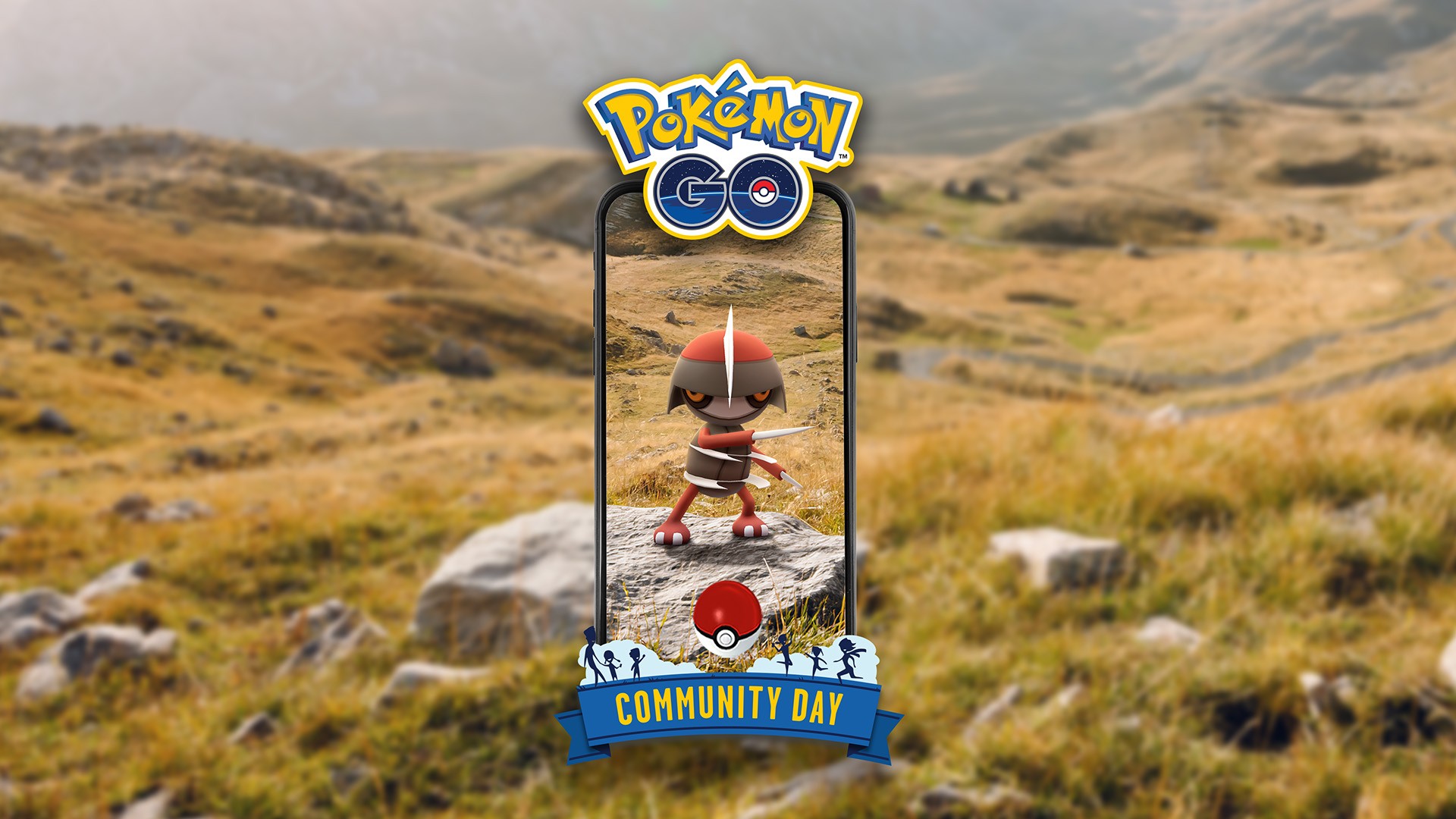
The next chance to save: the Community Day on Saturday, November 21, 2026, dedicated to  Pawniard. From 2 p.m. to 5 p.m. local time, trades will cost 50% less Stardust, and one additional special trade will be allowed, making two that day. Find the history of these events in our feature on Community Days and their exclusive moves.
Trades: what a special trade really costs
A regular trade costs 100 Stardust for each of the two Trainers, whatever the friendship level. The bill climbs for so-called special trades: a tradable Legendary, Shiny or Mythical Pokémon such as  Meltan, or a Pokémon missing from one of the two players’ Pokédex. The friendship level then makes all the difference:
| Friendship level | Regular trade | Legendary or Shiny already registered, or new Pokémon | Legendary or Shiny not registered |
|---|---|---|---|
| Good Friends | 100 | 20,000 | 1,000,000 |
| Great Friends | 100 | 16,000 | 800,000 |
| Ultra Friends | 100 | 1,600 | 80,000 |
| Best Friends | 100 | 800 | 40,000 |
The lesson is simple: never trade a Shiny  Mewtwo or a Legendary your friend does not have yet while you are Good Friends, since that costs a million Stardust. Wait until you are Best Friends, where the same trade comes to 40,000, which is 25 times less.

Since December 2025, an extra level exists: Friends Forever, beyond Best Friends. It grants the right to a Remote Trade with that friend, wherever they are, and these trades do not count as special trades. Shadow, Mythical, merged Pokémon, and Pokémon caught less than 30 days ago are excluded (official announcement).
Trades can also save you a lot of Stardust over time. A Pokémon received in a trade can become Lucky, especially if it was caught a long time ago. Between Lucky Friends, the next trade is guaranteed to be Lucky. And a Lucky Pokémon costs half as much Stardust to power up: for a Pokémon you plan to take to level 40 or 50, the savings add up to hundreds of thousands.
Spending your Stardust well: the priorities
Earning Stardust is pointless if you spend it badly. Here is the order of priority we recommend:
- Lucky Pokémon first. At equal power, a Lucky Pokémon costs half as much to power up. If you have the choice between two copies of the same species, pick the Lucky one.
- Pokémon useful in raids and Max Battles. Focus on a few strong attackers rather than spreading yourself thin. Our ranking of the Pokémon to power up for Dynamax and Gigantamax Battles helps you sort them out.
- GO Battle League in moderation. In Great League (1,500 CP) and Ultra League (2,500 CP), many Pokémon hit the cap well before level 40: no need to push them further.
- The second Charged Attack. It costs 10,000 Stardust for starters and baby Pokémon, 50,000 in most cases, and 75,000 or 100,000 for rare and Legendary Pokémon. It costs 20% more for a Shadow Pokémon and 20% less for a Purified one. Save it for the Pokémon you really use in battle.
- Purification, case by case. It costs 1,000 Stardust and 1 Candy for common Pokémon like
 Rattata or
 Zubat, 3,000 and 3 Candy for most others, 5,000 and 5 Candy for rare Pokémon like
 Snorlax, and 20,000 and 20 Candy for a Legendary. The Pokémon goes to level 25 (or to your Trainer level if it is lower), gains 2 points in each IV and then costs 10% less to power up. On the other hand, it loses the Attack bonus of Shadow Pokémon.
Pitfalls to avoid
- Powering up a Pokémon with low IVs right after catching it: a better specimen will often turn up a few days later. Check the Appraisal first.
- Powering up a Shadow Pokémon without thinking: it costs 20% more Stardust and Candy. It is worth it for a top-tier attacker, not for a collection Pokémon.
- Starting a special trade with a recent friend: between Good Friends, the bill can reach 20,000, even a million Stardust.
- Wasting a Star Piece by activating it without chaining gains during the 30 minutes.
- Spending everything before a big event: keep a reserve for Legendaries and the exclusive moves of Community Days.
Key takeaways
Stardust is earned mostly through volume: raids, battles against Team GO Rocket, Eggs and chained catches, ideally under a Star Piece and during event bonuses. It is spent first on Lucky Pokémon and on a few well-chosen attackers. Before any special trade, check your friendship level, and mark November 21 on your calendar right now: that day, trades will cost half as much.
Source: Pokémon GO, November 2026 Community Day; Pokémon GO, Friends Forever and Remote Trades; official Pokémon GO help center.