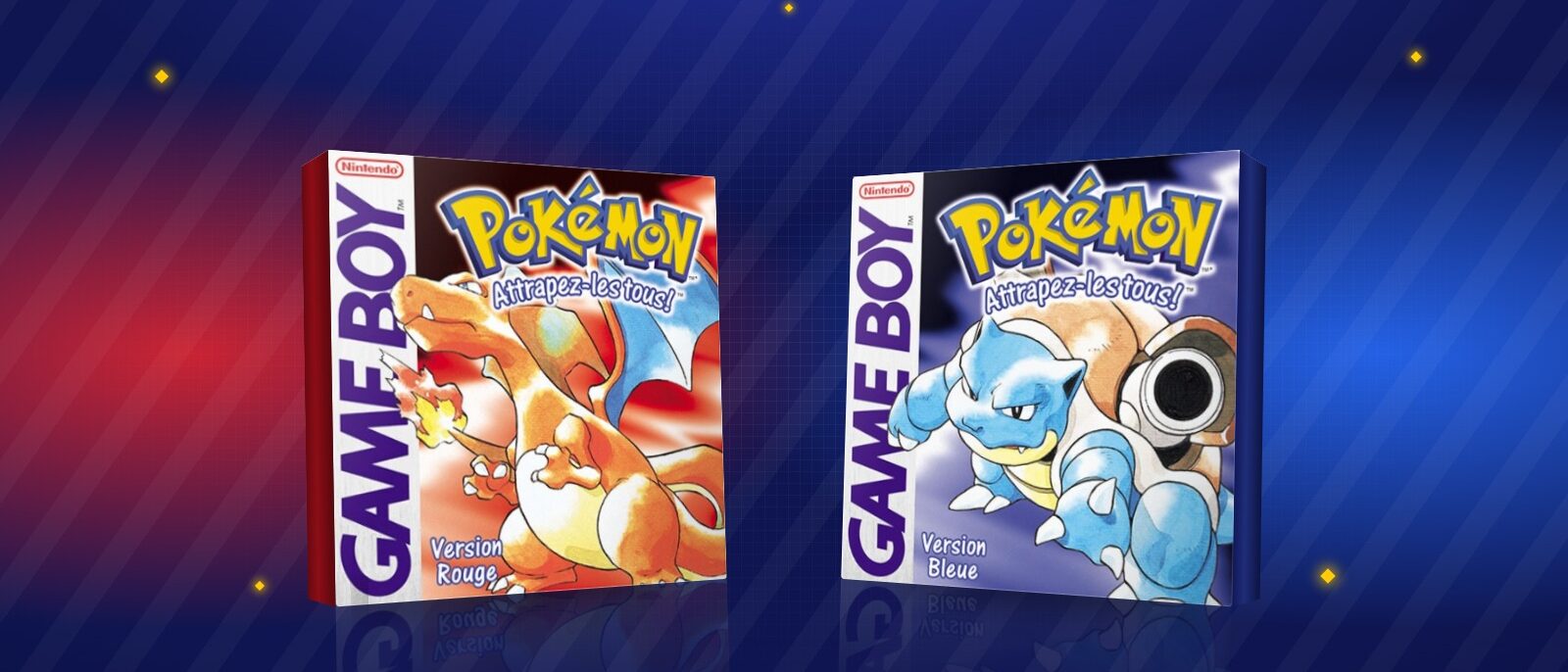
On October 8, 1999, Pokémon Red Version and Pokémon Blue Version came out in France on Game Boy. Exactly 27 years ago, two little cartridges, one red and one blue, were about to change our playground breaks, our Wednesday afternoons and the contents of our schoolbags. Before the cards, before the cartoon on TF1, before the movie in theaters, there were these two boxes and a question that would split every schoolyard: Red or Blue?
To celebrate this anniversary, we dug out our memories, our old Game Boys and our card binders. Welcome to 1999, the year Pokémania landed in France. And if you feel like starting a new game, our dedicated Pokémon Red and Blue mini-site will guide you from Pallet Town all the way to the Indigo Plateau.
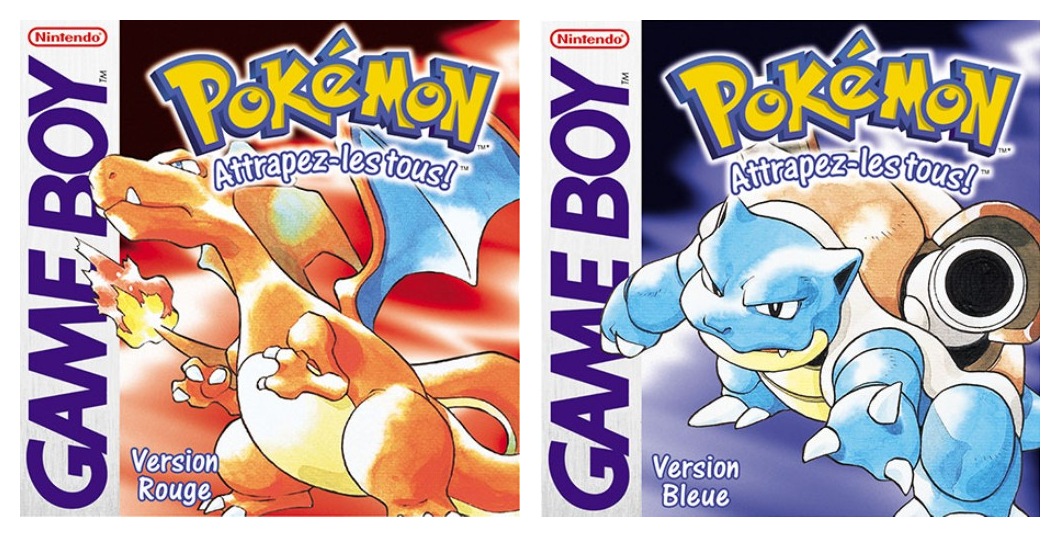
October 8, 1999: two boxes and a tough choice
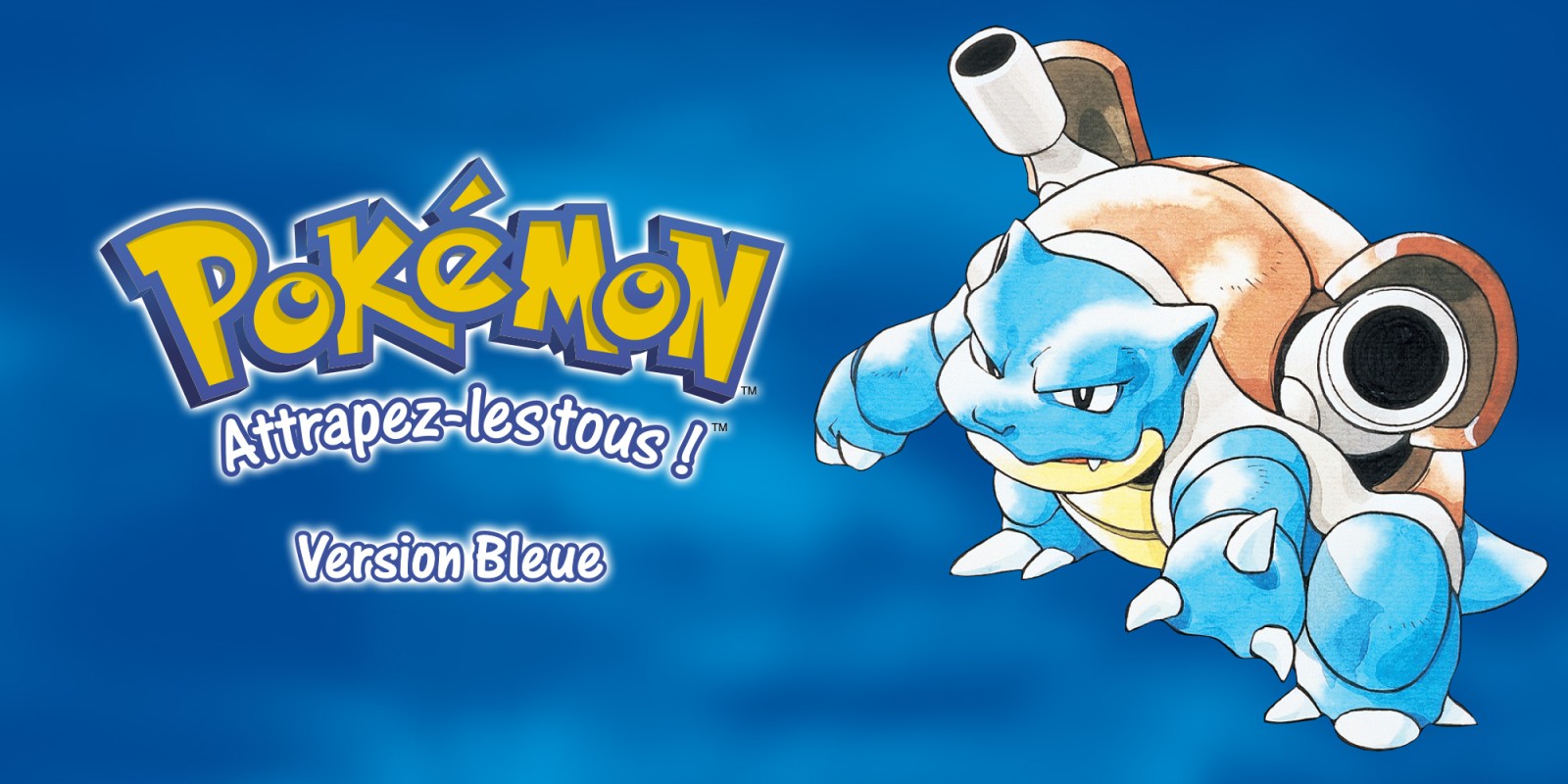
They are etched in our memories. On the Red Version box, a  Charizard breathes out flames. On the Blue Version box, a
 Blastoise aims its water cannons. The yellow and blue logo, the slogan “Gotta catch ’em all!”, the purple “GAME BOY” stripe on the side: everything was there to make a 1999 kid standing in front of the video game aisle dream.
That slogan was more than a catchphrase. Pokémon Red and Blue feature 151 Pokémon, but each version hides 11 that the other doesn’t offer. Completing your Pokédex on your own was impossible: you had to find a friend who had the other version, pull out the Game Link Cable and trade. The game had invented playground multiplayer.
In Red, you could catch  Growlithe and
 Scyther. In Blue,
 Vulpix and
 Meowth. And then there was the 151st,
 Mew, secretly added by a GAME FREAK programmer at the end of development, impossible to find in the game and the subject of every legend.
Japanese players, for their part, had been playing for a long time: Pokémon Red and Green came out in Japan on February 27, 1996, followed by Pokémon Blue on October 15, 1996, and Americans had been playing Red and Blue since September 28, 1998. French fans therefore waited more than three and a half years after Japan. The rumors, meanwhile, had crossed borders well before the cartridges.
Pallet Town, a starter and AA batteries
It all begins in Pallet Town, in a young Trainer’s bedroom. Professor Oak is waiting for you in his lab with three Poké Balls on the table:  Bulbasaur,
 Charmander or
 Squirtle. Your rival picks right after you, obviously the one that has the advantage. How many games did you restart to change starters?
Then come the memories that millions of players share: the  Pikachu so rare in Viridian Forest, the Boulder Badge won from Brock in Pewter City, the
 Magikarp sold for 500 Poké Dollars by an unscrupulous salesman at the Pokémon Center next to Mt. Moon, the
 Snorlax asleep and blocking the road until you have the Poké Flute. And the Pokémon Tower in Lavender Town, with its music that still gives us chills.
There were also the secrets told under the schoolyard shelter.  Mewtwo hidden at the back of Cerulean Cave. MissingNo., that glitch shaped like a cluster of pixels that showed up on the coast of Cinnabar Island. And the famous rumor of the truck near the S.S. Anne, under which Mew was surely hidden. Everybody knew someone whose cousin had seen it.
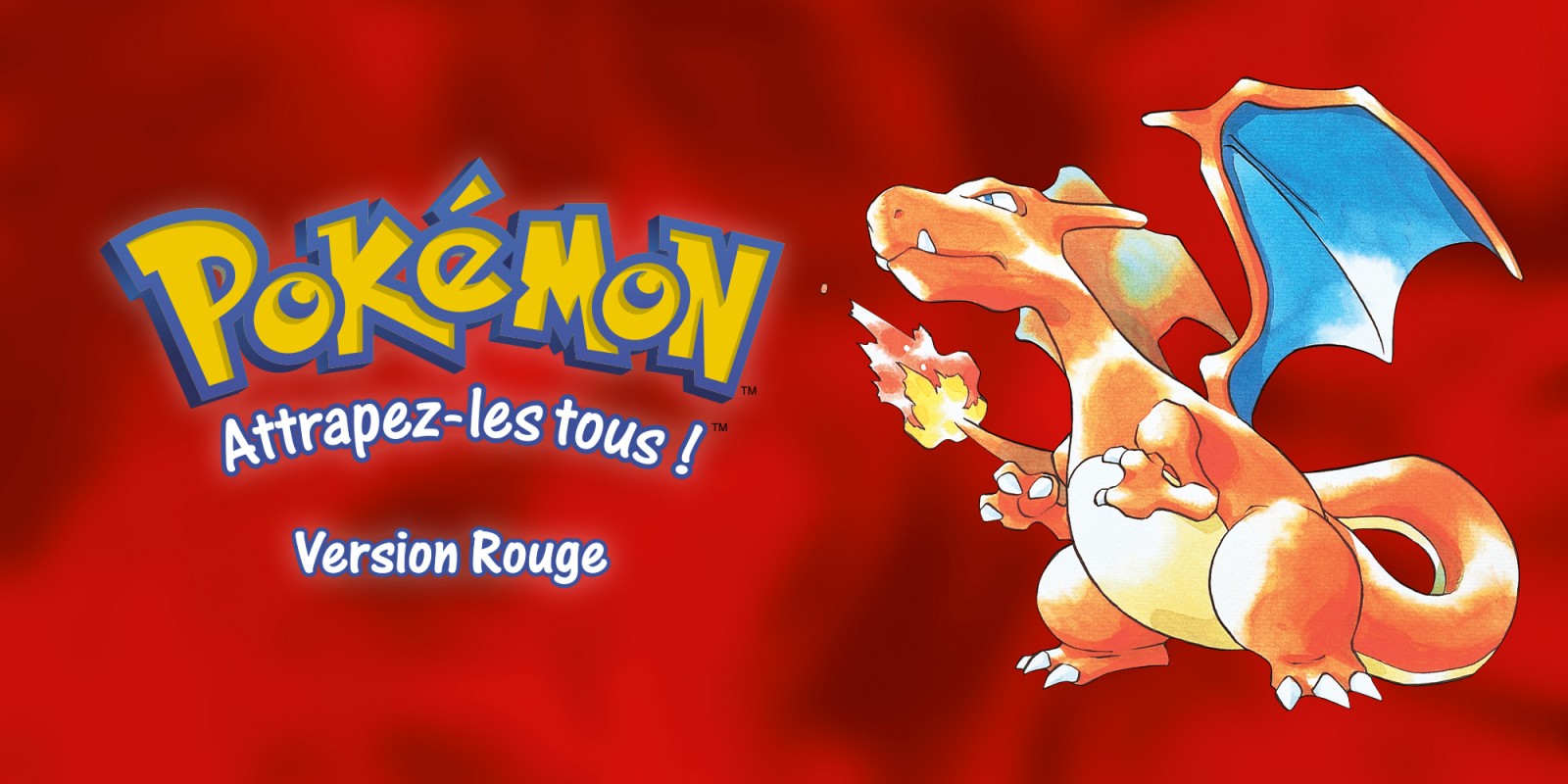
And then there was the console. Pokémon Red and Blue are played on Game Boy, the real one with the green screen. But in 1999, many people discovered them on the Game Boy Color, released in Europe on November 23, 1998, which finally gave Kanto some color. Games played under the covers by the light from the hallway, batteries dying right before you could save, the “click” of the Game Link Cable being plugged in: the Game Boy was every Trainer’s first travel companion.
Pokémania invades France
Autumn 1999 went down in history because everything arrived at the same time. In a few months, Pokémon went from a Game Boy game to a social phenomenon:
- September 5, 1999: the cartoon arrives in France on Fox Kids, the children’s channel of the Canal Satellite package.
- October 8, 1999: Pokémon Red Version and Blue Version are released on Game Boy.
- November 18, 1999: the Trading Card Game arrives in French with the Base Set and its 102 cards, published by Wizards of the Coast.
- January 3, 2000: Ash, Pikachu, Misty and Brock land on TF1, and all of France discovers the series.
- April 5, 2000: Mewtwo Strikes Back, the first movie, hits theaters.
- June 16, 2000: Pokémon Yellow comes out in turn, with a Pikachu that follows the player everywhere.
Playgrounds were never the same again. Card binders were traded like treasures, everyone counted the HP on their cards and haggled over their duplicates. The holographic Charizard from the Base Set became the card everyone wanted and almost nobody had. And in front of the TV, we never missed an episode, theme song belted out at the top of our lungs included.
The 1999 TV ad
It’s impossible to talk about that era without mentioning advertising. For the launch of the games, Pokémon also made its way into the commercial breaks on TV. Here is one of the French ads from 1999 for Pokémon Red Version and Blue Version, the bus driver one, preserved in the INA archives. It may remind you of an afternoon snack in front of the TV.
And Pokemon-France was born
We lived this madness from the inside. Just over a month after the games came out, on November 12, 1999, a certain Mister Bibou put Pokélord online, the fan site that would become Pokemon-France.com. Back then, everything was in English or Japanese, and French fans needed a home in their own language. We tell that story in our article for the site’s 27th anniversary.
The site has never stopped celebrating these two games, from our presentation of Pokémon Red and Blue to our 15th anniversary. Twenty-seven years later, we are still here, and so are you.
Relive the adventure with our Pokémon Red and Blue mini-site
Did these memories make you want to dig out your Game Boy? Pokemon-France.com devotes a whole mini-site to Pokémon Red and Blue, with the complete walkthrough of the game in 29 chapters. Every step of the adventure is detailed, from your first steps in Pallet Town to the final challenge of Cerulean Cave, so you never get stuck again in front of a sleeping Snorlax or in the maze of Victory Road.
- Pallet Town: the big start, choosing your starter and the first battle against your rival
- Pewter City: Brock and the Boulder Badge, the first real challenge of the adventure
- The S.S. Anne: the cruise and HM Cut, and the famous truck on the dock
- Back to Lavender Town: Pokémon Tower, the passage that sent shivers down a whole generation’s spine
- Indigo Plateau: Agatha, Lance and the Champion, the final battle of the League
- Cerulean Cave and Mewtwo, the ultimate challenge once the League is complete
27 years later, Kanto has never left us
Pokémon Red and Blue paved the way for a saga that now counts more than 1,000 Pokémon. Their sales, combined with Pokémon Green in Japan, have surpassed 31 million copies, and Guinness World Records crowned them in 2009 as the best-selling role-playing games of all time.
Kanto, for its part, comes back regularly. There were FireRed and LeafGreen on Game Boy Advance in 2004, Pokémon: Let’s Go, Pikachu! and Let’s Go, Eevee! on Nintendo Switch in 2018, and the return of the original versions on the Nintendo 3DS Virtual Console in 2016. Since yesterday, FireRed and LeafGreen on Switch are even compatible with Pokémon HOME. And the Pokémon TCG reprinted the Base Set Charizard this year in the 30th Anniversary expansion.
Happy birthday, Red and Blue
Twenty-seven years later, the question remains: Red or Blue? Charizard or Blastoise? Bulbasaur, Charmander or Squirtle? Tell us in the comments about your version, your first Pokémon and your best memory of 1999. As for us, we’re heading back to Pallet Town.