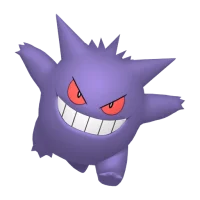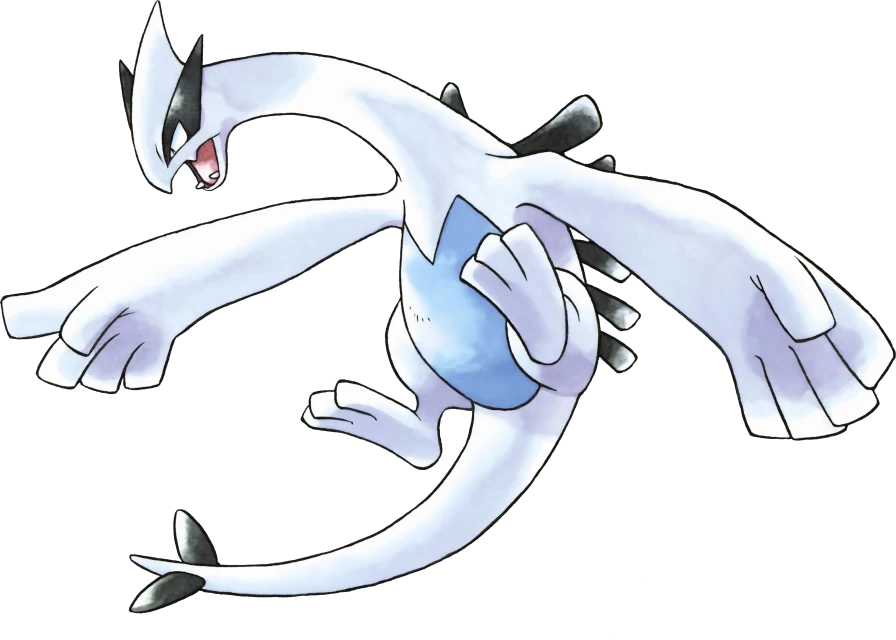
Announced as early as 1997, released in Japan at the end of 1999 and in France in spring 2001, Gold and Silver went through a long and eventful development. They were meant to be the dream sequel to Red and Green; they became the benchmark for the whole series.
A much-awaited sequel
While Pokémon Red and Green were triumphing in Japan, Game Freak started working on their sequel, first known as “Pocket Monsters 2”. A first version was shown at the Nintendo Spaceworld show in November 1997: a playable demo displayed a map, new Pokémon and the names of the two versions, Gold and Silver.
But the release, planned for 1998, kept being pushed back. The team wanted to take advantage of the new Game Boy Color, add a real-time clock to the cartridge, new mechanics… and the project kept growing.
Satoru Iwata’s tour de force
Fitting Johto, Kanto and 251 Pokémon on a Game Boy cartridge was a headache. According to the most commonly reported account, Satoru Iwata, then at HAL Laboratory (and future president of Nintendo), helped write compression tools that freed up enough space to include the Kanto region on top of Johto. Without this work, the famous return to Kanto might never have existed.
Release and success
- November 21, 1999: Gold and Silver released in Japan.
- October 2000: release in North America.
- December 14, 2000: Crystal released in Japan, with the Mobile Adapter GB.
- April 6, 2001: Gold and Silver released in France.
- November 1, 2001: Crystal released in France.
Gold and Silver sold more than 20 million copies worldwide, making them one of the biggest hits in Game Boy history. Crystal, for its part, passed 6 million.
The team
The game was developed by Game Freak under the direction of Satoshi Tajiri, creator of the series. Ken Sugimori handled the art direction and the official Pokémon illustrations, and Junichi Masuda composed the music, including the themes of New Bark Town, Ecruteak City and the battle against the Johto Gym Leaders, which became cult classics.
The legacy
Gold and Silver laid the foundations of the entire series: breeding, held items, the clock, Pokémon gender, shiny Pokémon, the Dark and Steel types, separate Special Attack and Special Defense. In 2009, Game Freak gave them a remake on the Nintendo DS, Pokémon HeartGold and SoulSilver, often cited among the best games in the series.